Traveling with Neurodiverse Kids: Practical Vacation Tips for Families
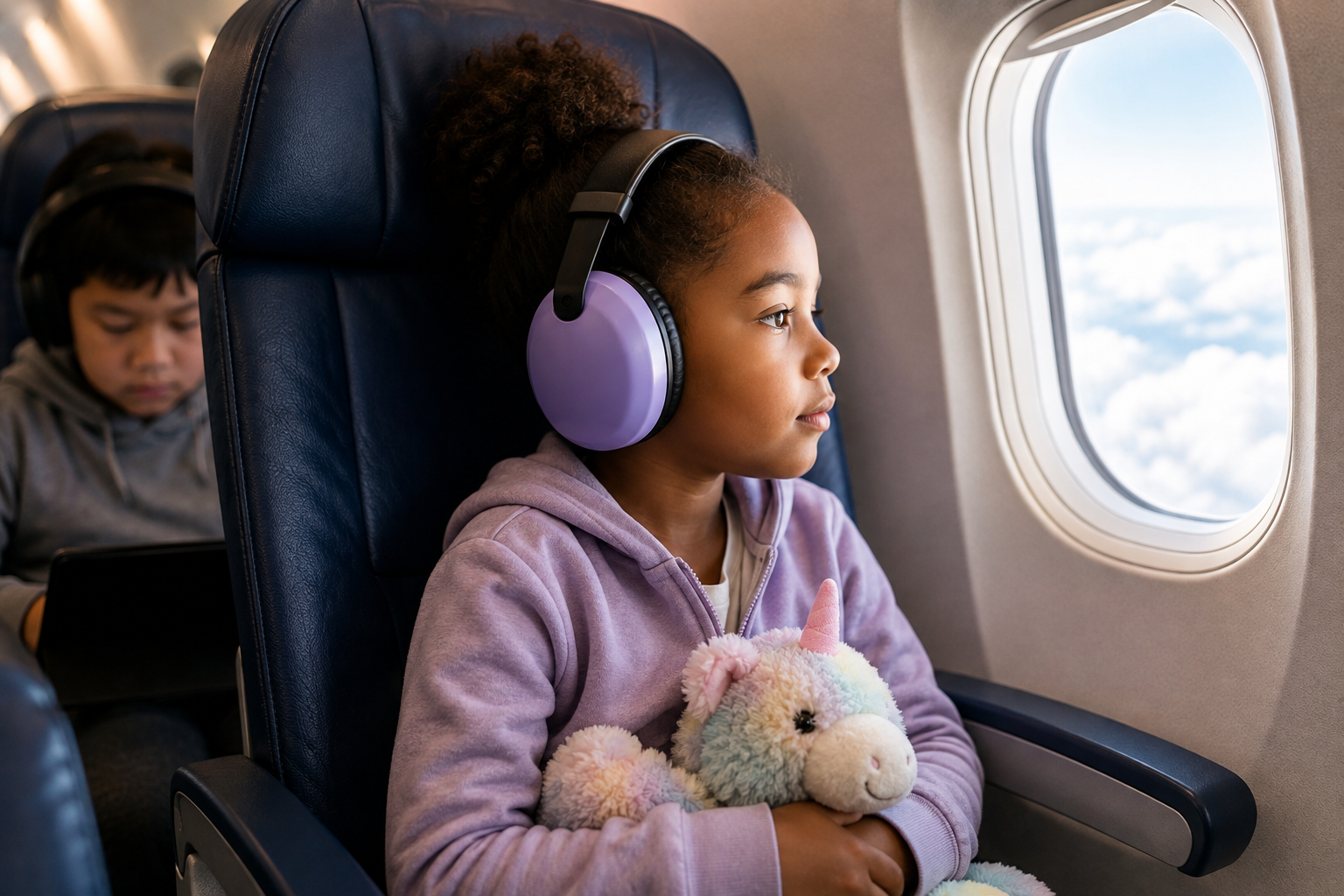
Traveling with neurodiverse children can feel overwhelming, especially when sensory needs, routines, accessibility, or regulation challenges are involved. With thoughtful preparation, flexible expectations, and supportive accommodations, family vacations can become more manageable, meaningful, and enjoyable for everyone involved.
Traveling With Neurodiverse Kids Can Feel Overwhelming
For many families, vacations are supposed to feel relaxing and exciting.
But when you are parenting a neurodivergent child, travel can also bring anxiety, uncertainty, sensory overload, disrupted routines, and concerns about accessibility or regulation challenges.
Parents often wonder:
What if my child becomes overwhelmed?
What if transitions are difficult?
What if restaurants, airports, or attractions become overstimulating?
What if people do not understand my child’s needs?
What if the trip becomes more stressful than enjoyable?
These concerns are incredibly common.
In Episode 64 of the Autism Family Resource Podcast, Brian Keene spoke with Teresa Roddy, an accessible travel specialist and certified occupational therapy assistant, about how families can make travel feel more supportive and realistic.
The goal is not creating the “perfect” vacation.
The goal is creating experiences where children and families can participate in ways that feel safe, manageable, and meaningful.
Why Travel Can Feel So Difficult for Neurodivergent Families
Travel often combines many things that can feel challenging for neurodivergent children all at once:
unfamiliar environments
sensory overload
changes in routine
long periods of waiting
sleep disruptions
crowded spaces
transitions between activities
unfamiliar foods
communication demands
Even exciting experiences can become exhausting when a child’s nervous system is overloaded.
This is why many families quietly stop traveling altogether… or feel discouraged after difficult experiences.
But as Teresa shared in the podcast conversation, supportive planning can make an enormous difference.
Planning Around Your Child’s Actual Needs
One of the biggest themes from the conversation was the importance of planning around a child’s actual needs rather than trying to force children into highly packed vacation schedules.
This often means asking questions like:
What environments help my child feel regulated?
What sensory experiences are difficult?
How much transition can my child realistically handle in one day?
What supports help my child recover after overstimulation?
What accommodations would make travel easier?
Sometimes small adjustments create major improvements.
For example:
choosing quieter hotels
staying closer to attractions
scheduling downtime
planning sensory breaks
reducing the number of daily activities
bringing familiar comfort items
Families often feel pressure to “maximize” vacations by packing every moment with activities.
But slower schedules are often more supportive for nervous systems.
Sensory-Friendly Travel Tips for Families
1. Build in Regulation Breaks
Many children benefit from scheduled breaks throughout the day.
This might include:
returning to the hotel room
spending quiet time outside
taking sensory breaks
using headphones
spending time in less crowded areas
Breaks are not “wasting vacation time.”
They often help children participate more successfully overall.
2. Bring Familiar Comfort Items
Teresa emphasized the importance of bringing familiar items from home.
Comfort supports may include:
favorite stuffed animals
weighted blankets
headphones
AAC devices
preferred snacks
visual schedules
sensory tools
Familiar items can help children feel safer in unfamiliar environments.
3. Avoid Overplanning
One of Teresa’s strongest recommendations was simple:
Do not over plan.
Trying to fit too many activities into one day can quickly lead to exhaustion and overstimulation.
Instead, consider focusing on one major activity each day and allowing flexibility around the rest of the schedule.
Accessible Travel Support Can Make a Huge Difference
Many families do not realize how many accessibility supports are available during travel.
Accessible travel specialists may help families with:
adaptive equipment rentals
accessible hotel rooms
sensory-friendly accommodations
cruise accessibility
airport coordination
transportation planning
mobility accommodations
dietary accommodations
During the episode, Teresa shared examples of helping families access beach wheelchairs, sensory-friendly vacation schedules, and cruise accommodations that allowed individuals to participate more comfortably.
These supports can dramatically reduce stress for both children and caregivers.
Practicing Before Larger Trips
Brian also shared a practical idea during the conversation:
Practice smaller experiences before larger vacations.
For example:
camping in the backyard before a camping trip
staying overnight at a friend’s house
practicing airport routines
visiting hotels locally
taking shorter day trips first
Gradual exposure can help children become more familiar with transitions and new environments before bigger trips occur.
Supporting Parents During Travel
Parents often carry enormous emotional pressure during vacations.
Many caregivers worry about:
public judgment
meltdowns
disrupting others
changing plans
“doing vacations wrong”
But supportive travel often requires flexibility.
Sometimes the most meaningful moments are not the highly scheduled attractions.
Sometimes they are:
a child enjoying the ocean for the first time
a successful restaurant visit
a calm morning together
a shared laugh during a sensory break
a family memory that once felt impossible
Travel does not need to look perfect to be meaningful.
Travel Support for Neurodivergent Families
At Pure Hearts Therapy, we understand how sensory needs, regulation challenges, communication differences, and accessibility concerns can impact everyday family experiences.
Our team provides neurodiversity-affirming occupational, speech, and physical therapy services throughout Arizona, along with parent support and guidance focused on real-life participation and everyday routines.
You may also enjoy these related resources:
Sensory Processing 101: Understanding Your Child’s Sensory Needs
Understanding Autism Meltdowns: What They Are and How to Support Your Child
Traveling with Neurodiverse Kids: Vacation Tips for Families on the Go
About the Guest
Teresa Roddy is an accessible travel specialist and certified occupational therapy assistant who helps families plan supportive, sensory-friendly, and accessible vacations tailored to their needs.
Instagram: Accessible Travel with Teresa Instagram
Facebook: Accessible Travel with Teresa Facebook