Understanding Behaviors & Meltdowns
Podcast Resources
Is your child constantly chewing on everything?
Mouthing and chewing can be signs of unmet sensory needs. Learn what’s normal, when to be concerned, and simple OT strategies to help your child feel calm, focused, and supported.
Try this 4-phase framework to help your child regulate and understand their sensory processing needs
Dawn Barclay, author of Traveling Different, shares practical travel tips for families navigating autism, including how to reduce sensory stress, prepare with social stories, and find autism-friendly travel resources.
It not a “sensory diet” but instead a “sensory lifestyle”
Blog Resources
Arizona’s Division of Developmental Disabilities (DDD) offers vital support. Learn how to navigate DDD to access therapy services and resources for your child.
Costumes, spooky décor, loud noises. Halloween can be tricky for kids with sensory issues. Get tips for a sensory-friendly Halloween: find comfy costumes, practice trick-or treating, and adapt activities so your child can join the fun with less stress.
Learn how sensory processing works in children and how sensory seeking or sensory sensitivity can affect behavior, regulation, and daily routines.
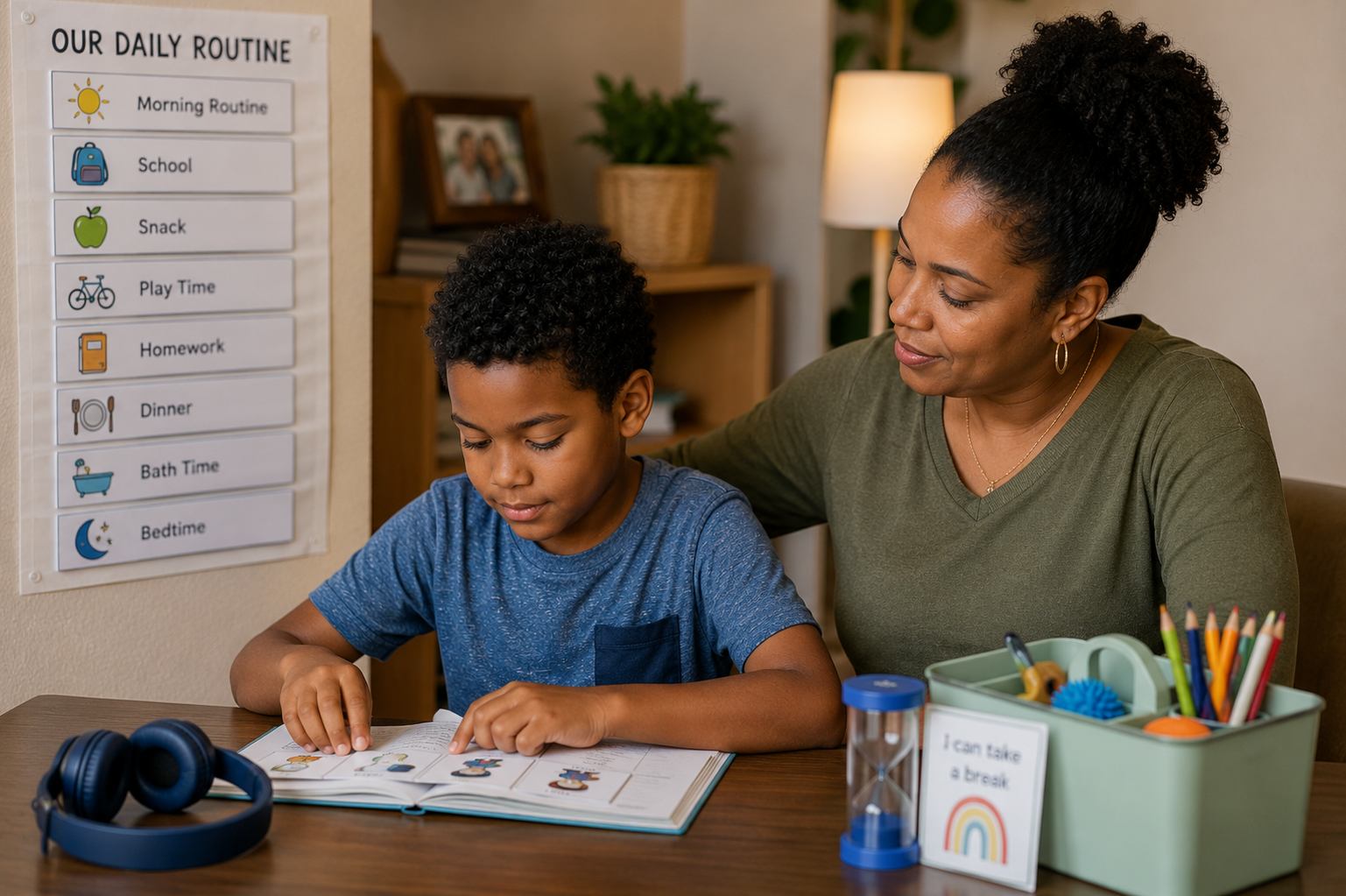
Back-to-school can be stressful for kids with special needs. Get tips to ease the transition—start adjusting routines early, meet the teacher in advance, and use visual schedules— so your child feels confident on day one.
Traveling with a neurodiverse child? With a little extra planning, trips can be less stressful. Learn how to prep for new environments, pack sensory tools, and maintain routines to make family vacations more enjoyable for everyone.
External Resources
This article talks about how sound sensitivity affects children with autism and offers insight into why everyday noises can be distressing or ignored.

The Ready to Learn and Play framework is a step-by-step approach that helps children understand and manage their sensory needs to support learning and self-regulation.
Meltdowns can feel overwhelming—but they’re also a message. In this episode, we break down how to respond with calm, curiosity, and compassion. You’ll learn the 3-step method to decode your child’s behavior, stay grounded during big emotions, and teach new ways to express needs. It’s not about being perfect—it’s about staying consistent and connected.