Executive Functioning in Autism: Practical Strategies to Support Your Child at Home and School
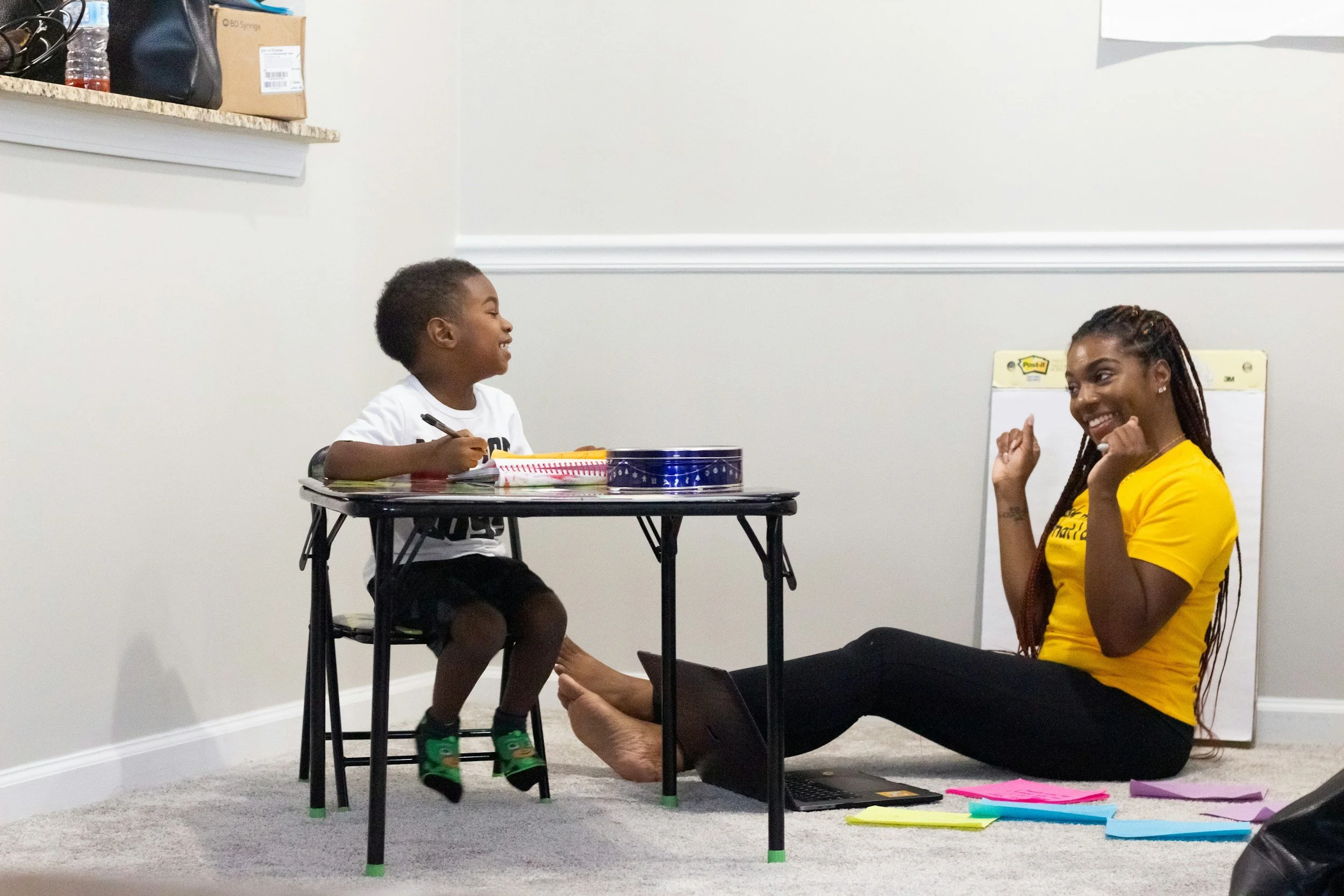
Executive functioning skills help children plan, start, and complete tasks. Many autistic children need extra support developing these skills. By using strategies like breaking tasks down, building routines, and encouraging self-testing, parents can help their child feel more confident and capable in both school and daily life.
Introduction
If you’ve ever watched your child stare at homework for 20 minutes without starting…
or felt like they “know the material” but still struggle on tests…
you’re not alone.
For many neurodivergent children, the challenge isn’t intelligence or effort—it’s executive functioning.
These are the behind-the-scenes skills that help us organize, plan, begin tasks, and follow through. When these skills are harder to access, even simple tasks can feel overwhelming.
The good news? Executive functioning skills can be supported and strengthened with the right approach.
What Is Executive Functioning?
Executive functioning is often described as the brain’s management system.
It includes skills like:
Planning and organizing
Time management
Task initiation (getting started)
Follow-through and completion
Emotional regulation
Attention and focus
Think of it like the conductor of an orchestra. Even if every instrument is talented, the music can feel chaotic without coordination.
For many autistic children, these skills don’t develop automatically—but they can absolutely be learned.
Why Task Initiation Is So Hard
One of the most common challenges parents notice is difficulty getting started.
This isn’t laziness. It’s often:
Uncertainty about where to begin
Fear of doing it “wrong”
Feeling overwhelmed by the size of the task
What Helps:
Start small: “Just do one problem”
Reduce pressure: focus on starting, not finishing
Use timers: 2–5 minute “starter” blocks
Break tasks into visible steps
Even something as simple as “put one Lego away” can unlock momentum.
The Hidden Study Skill Most Kids Are Missing
Many students think they’re studying… but they’re actually just reviewing.
They reread notes. They look at study guides. Everything feels familiar.
But familiarity isn’t the same as knowing.
The Skill That Changes Everything: Self-Testing
Self-testing helps kids answer one critical question:
“What do I actually know without looking?”
Practical Ways to Practice:
Flashcards (digital or physical)
Practice quizzes
Apps like Quizlet
Cover-and-recall methods
This builds real memory and confidence—not just recognition.
Supporting Executive Functioning at School
School environments can unintentionally create challenges for kids with executive functioning differences.
Imagine:
Six teachers
Six systems for assignments
Multiple platforms (Canvas, Google Classroom, etc.)
That’s a lot to manage.
What Parents Can Advocate For:
Clear, consistent assignment tracking
Access to teacher notes
Structured deadlines
Simplified systems when possible
If your child has an IEP or 504 plan, make sure these supports are clearly documented.
👉 Learn more about advocacy here:
https://pureheartstherapy.com/blog/iep-101-how-to-advocate-for-your-child-in-the-school-system
Rethinking the Autism Spectrum
Autism isn’t a straight line from “mild” to “severe.”
It’s more like a dashboard with multiple dials:
Social communication
Flexibility
Sensory processing
Emotional regulation
Executive functioning
Each child has a unique combination.
This perspective helps parents move away from comparison and toward understanding their child’s specific needs.
Don’t Forget Strengths
It’s easy to focus on what’s hard.
But your child also has strengths:
Interests
Curiosity
Memory
Creativity
Problem-solving
When we build support around strengths, everything becomes more sustainable.
👉 Explore strengths-based support here:
https://pureheartstherapy.com/blog/neurodiversity-affirming-therapy-supporting-your-childs-unique-strengths
Practical Strategies You Can Start Today
Here’s a quick toolkit you can use right away:
1. Break Tasks Down
Large tasks = overwhelm
Small steps = action
2. Use Visual Supports
Checklists, planners, or whiteboards
3. Practice Self-Testing
Help your child identify what they actually know
4. Create Consistent Systems
Same place for assignments, same routine
5. Focus on Progress, Not Perfection
Starting is a win
Final Thoughts
Supporting executive functioning isn’t about pushing harder.
It’s about understanding how your child’s brain works and meeting them there.
With the right tools, support, and mindset, your child can build these skills over time—and feel more confident doing it.
And maybe most importantly…
You don’t have to follow anyone else’s blueprint.
You get to create what works for your child.