Cerebral Palsy: A Parent’s Guide to Therapy, Early Support & Helpful Resources
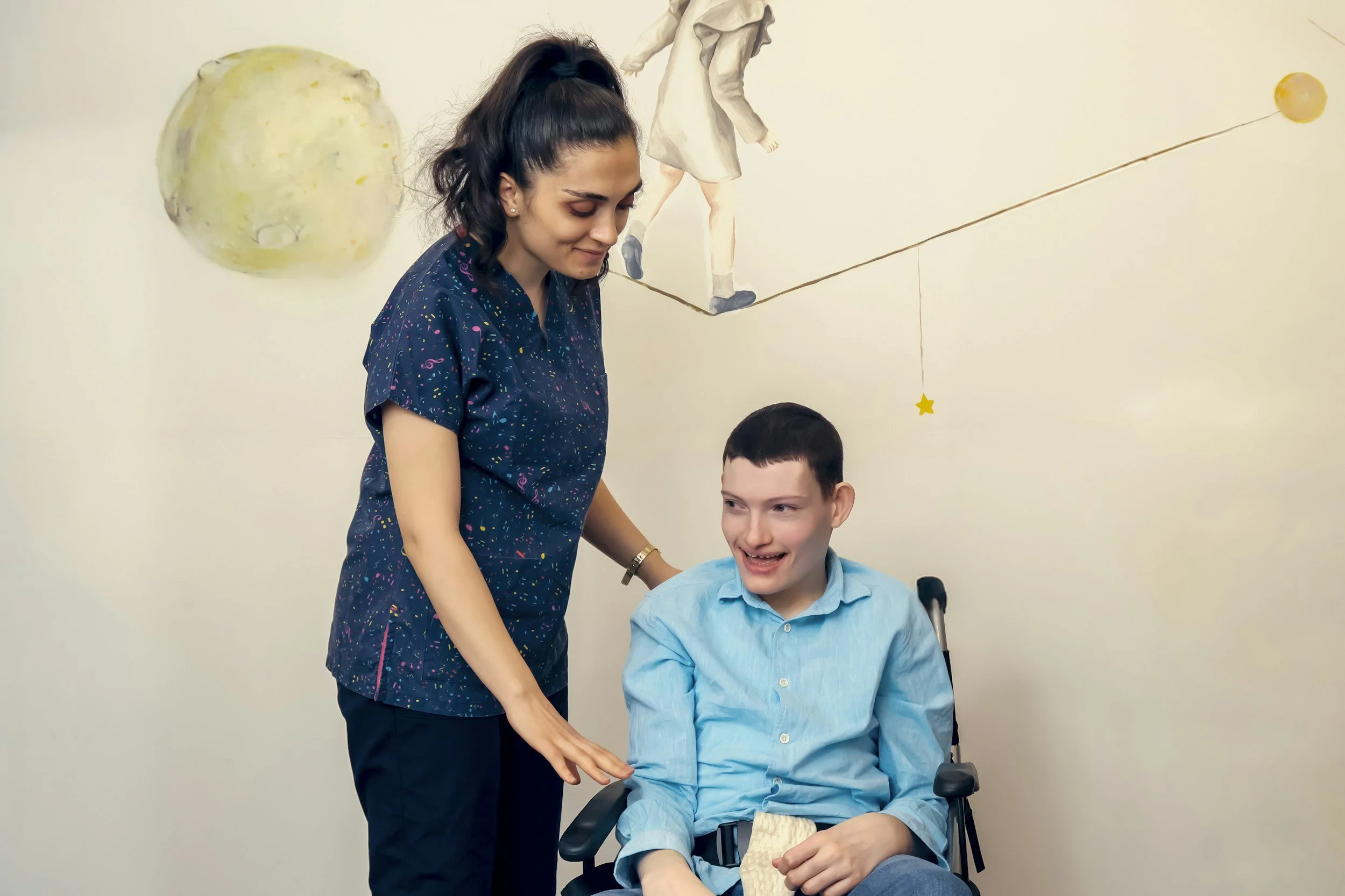
When your child is diagnosed with cerebral palsy, or when a provider first raises concerns about your child’s movement and development, it can bring a lot of questions.
What does cerebral palsy mean? What will my child be able to do? Which therapies might help? What resources are available? And where do we even start?
Every child with cerebral palsy is different. Some children may need support primarily with walking, balance, or coordination. Others may need assistance with communication, self-care, feeding, mobility, or participating in school and community activities.
The goal is not to force every child toward the same version of development. The goal is to understand your child’s individual strengths and needs, remove barriers when possible, and help them participate more fully in the activities and relationships that matter to them.
What Is Cerebral Palsy?
Cerebral palsy, commonly called CP, is a group of conditions that affect movement, posture, and balance.
CP occurs because of differences in the development of the brain or damage to the developing brain, affecting how the brain communicates with the muscles.
Cerebral palsy itself is considered non-progressive, meaning the original brain injury or difference does not continue to worsen over time. However, a person’s needs can change as they grow. Changes in muscle tone, joint mobility, strength, endurance, positioning, and the physical demands of daily life may create new challenges at different ages.
Cerebral palsy is also the most common motor disability in childhood.
Cerebral Palsy Can Look Very Different From Child to Child
There is no single picture of what cerebral palsy looks like.
Some children walk independently. Others may use walkers, crutches, wheelchairs, or other mobility equipment. Some children communicate through speech, while others may use sign language, pictures, communication devices, or other forms of augmentative and alternative communication (AAC).
Cerebral palsy is commonly described according to the type of movement differences a person experiences.
Spastic Cerebral Palsy
This is the most common type. Children with spastic CP may have increased muscle tone, making some muscles feel stiff or tight.
Dyskinetic Cerebral Palsy
Children may experience movements that are difficult to control and may vary between slower, twisting movements and faster movements.
Ataxic Cerebral Palsy
This type primarily affects balance, coordination, and controlled movements.
Mixed Cerebral Palsy
Some children experience characteristics of more than one type.
A diagnosis alone does not tell you everything about your child. Two children with the same type of cerebral palsy may have very different abilities, personalities, interests, communication styles, and support needs.
What Are Some Early Signs Parents May Notice?
Cerebral palsy is diagnosed through a combination of developmental monitoring, medical evaluation, and, when appropriate, additional testing.
Parents may first notice differences in the way their baby or young child moves.
Possible signs may include:
Delays with rolling, sitting, crawling, standing, or walking
Muscles that feel unusually stiff or unusually floppy
Consistently using one side of the body more than the other
Difficulty bringing both hands together
Keeping one hand tightly fisted while using the other
Challenges with balance or coordination
Difficulty controlling movements
Walking on the toes
Difficulty with fine motor activities as a child gets older
Having one of these signs does not automatically mean a child has cerebral palsy. Children develop differently, and many other conditions can affect motor development.
If you have concerns, however, bring them up with your child’s pediatrician rather than feeling that you must simply “wait and see.”
Early evaluation can help families better understand what is happening and connect children with appropriate supports.
Why Early Support Matters
Young brains and bodies are constantly learning from movement, play, relationships, and everyday experiences.
Research and clinical guidance support identifying cerebral palsy or a high risk for cerebral palsy as early as possible so children can access appropriate intervention.
But early intervention should not mean spending every waking moment turning childhood into therapy.
Some of the most meaningful learning happens through ordinary life:
Playing on the floor
Reaching for a favorite toy
Helping get dressed
Moving around the house
Eating with family
Going to the playground
Communicating wants and ideas
Participating in preschool or school
Playing with siblings and friends
A good therapy team helps families identify opportunities to build skills into everyday routines without making the family feel as though they have to become therapists themselves.
How Physical Therapy Can Support Children With Cerebral Palsy
Physical therapy, or PT, often plays an important role in cerebral palsy care.
A pediatric physical therapist may help a child work on:
Sitting and standing
Walking and mobility
Balance and coordination
Strength and endurance
Transfers between different positions
Navigating stairs and different surfaces
Using walkers, wheelchairs, or other mobility equipment
Positioning
Maintaining joint mobility
Participating in playground, recreation, and community activities
The goal of PT should be meaningful function.
For one child, progress might mean walking independently across the playground. For another, it might mean learning to efficiently use a wheelchair to explore that same playground.
Both can represent greater independence and participation.
How Occupational Therapy Can Help
Occupational therapy, or OT, focuses on the everyday activities that children need and want to do.
For children with cerebral palsy, OT may address:
Getting dressed
Feeding and using utensils
Toileting routines
Bathing and grooming
Hand and finger skills
Using both hands together
Handwriting and school tasks
Playing with toys
Positioning for activities
Using adaptive equipment
Accessing technology
Participating in family routines
Building independence with age-appropriate responsibilities
Occupational therapists can also look at the child’s environment.
Sometimes the answer is not simply teaching the child to do something differently. Changing the environment, adapting the activity, or introducing the right piece of equipment can make participation much easier.
How Speech Therapy Can Support Communication and Feeding
Speech-language pathologists support much more than speech sounds.
Depending on the child, speech therapy may help with:
Expressing wants, needs, thoughts, and ideas
Understanding language
Speech clarity
Oral motor skills
Feeding and swallowing
Social communication
Augmentative and alternative communication (AAC)
Some children with cerebral palsy understand much more than they can physically express through speech.
When speaking is difficult, AAC can give children another way to communicate. AAC may include pictures, communication boards, signs, switches, tablets, or dedicated speech-generating devices.
Using AAC does not mean giving up on speech. It means making sure a child has access to communication while their other skills continue developing.
Every child deserves a reliable way to communicate.
Therapy Should Support the Child, Not Become the Child’s Entire Life
Families can quickly find themselves juggling medical appointments, therapy sessions, equipment appointments, school meetings, evaluations, and paperwork.
Those things may be important, but your child is still a child.
They also need time for:
Play
Friends
Family
Rest
Hobbies
Exploration
Recreation
Making choices
Being silly
Doing things simply because they enjoy them
Therapy works best when goals connect to real life.
Instead of only asking, “Can my child perform this movement?” we can also ask:
What will this skill allow my child to do?
Will it help them play?
Communicate?
Get around their home?
Participate at school?
Spend more time with friends?
Have more independence?
Those are the outcomes that give therapy meaning.
Supporting Your Child at School
Children with cerebral palsy may qualify for support through the public school system under the Individuals with Disabilities Education Act, commonly known as IDEA.
Depending on a child’s needs, school supports may include:
An Individualized Education Program (IEP)
Occupational therapy
Physical therapy
Speech therapy
AAC or other communication supports
Adaptive seating or mobility equipment
Assistive technology
Additional time for assignments
Accessible classroom environments
Support for self-care and mobility
Transportation accommodations
Parents are important members of the educational team.
Do not hesitate to ask how an accommodation or therapy goal will improve your child’s actual participation during the school day.
Resources for Arizona Families
Arizona families also have several programs that may help.
Arizona Early Intervention Program (AzEIP)
For infants and toddlers under age three, the Arizona Early Intervention Program supports eligible children with developmental delays and disabilities and their families.
Families can contact AzEIP directly when they have developmental concerns. A medical diagnosis is not always required before beginning the referral process.
Arizona Division of Developmental Disabilities
Cerebral palsy is one of the developmental disabilities recognized by Arizona’s Division of Developmental Disabilities, or DDD.
Having a cerebral palsy diagnosis does not automatically guarantee DDD eligibility. Arizona also considers age-specific eligibility requirements and how the disability affects everyday functioning.
Families interested in DDD services can apply through the Arizona Department of Economic Security and request an eligibility determination.
Your Child’s School District
For children age three and older, families can also contact their local school district about a Child Find evaluation if they have concerns about development or educational participation.
Helpful Questions to Ask Your Child’s Therapy Team
You do not have to become an expert overnight.
Start with questions that help you understand what matters most for your child:
What are my child’s biggest strengths right now?
Which challenges are having the greatest impact on daily life?
What should we prioritize first?
What can we realistically practice during our normal routines?
Does my child need adaptive equipment?
Could AAC help my child communicate more easily?
Are there school accommodations we should consider?
How will we know whether therapy is helping?
What does meaningful progress look like for my child?
Therapy should be collaborative. Parents should understand the plan and have space to ask questions, share concerns, and help determine priorities.
Additional Cerebral Palsy Resource for Families
Families who want to explore additional information can also review the Cerebral Palsy Toolkit from Levin & Perconti.
The toolkit includes information about cerebral palsy, diagnosis, family support, early intervention, education, financial planning, and organizations that support people with cerebral palsy and their families.
You can explore the toolkit here:
https://www.levinperconti.com/birth-injury/cerebral-palsy/guide-toolkit/
Please note: This is an external resource published by a law firm. Pure Hearts Therapy is sharing it for general educational and resource purposes and does not endorse or provide legal advice through this resource. Families should independently evaluate legal or financial information and consult qualified professionals when individualized guidance is needed.
Other trusted places families can explore include:
Centers for Disease Control and Prevention (CDC)
American Academy for Cerebral Palsy and Developmental Medicine (AACPDM)
Cerebral Palsy Foundation
United Cerebral Palsy
Arizona Early Intervention Program
Arizona Division of Developmental Disabilities
A Final Note for Parents
A cerebral palsy diagnosis tells you something important about how your child’s brain and body work.
It does not tell you who your child will become.
Your child may need support, accommodations, therapy, adaptive equipment, or different ways of doing certain things. Those supports are tools for participation and independence, not measurements of your child’s worth.
Focus on the child in front of you.
Celebrate progress that matters to them.
Build a team that listens to your family.
And remember that independence does not always mean doing everything without help. Sometimes independence means having the right support, equipment, communication system, or environment to make choices and participate in life more fully.
Looking for Pediatric Therapy Support in Arizona?
Pure Hearts Therapy provides family-centered pediatric occupational therapy, physical therapy, speech therapy, and parent coaching, including in-home services for families throughout the Phoenix Valley.
Our goal is to help children build meaningful skills while supporting families with practical strategies that fit into everyday life.
Next Steps
📞 Schedule a consultation with Pure Hearts Therapy to discuss your child’s therapy needs:
https://www.pureheartstherapy.com/book-a-meeting
📚 Explore more parent resources on the Pure Hearts Therapy blog.
🎧 Listen to the Autism Family Resource Podcast for practical conversations with parents, professionals, advocates, and people with lived experience.
Related Resources for Parents
When to Seek Help: Signs Your Child May Need Occupational, Speech, or Physical Therapy
Home-Based Therapy: 5 Benefits of In-Home Pediatric Care for Children with Disabilities
How to Apply for Arizona DDD Services: A Parent’s Guide